
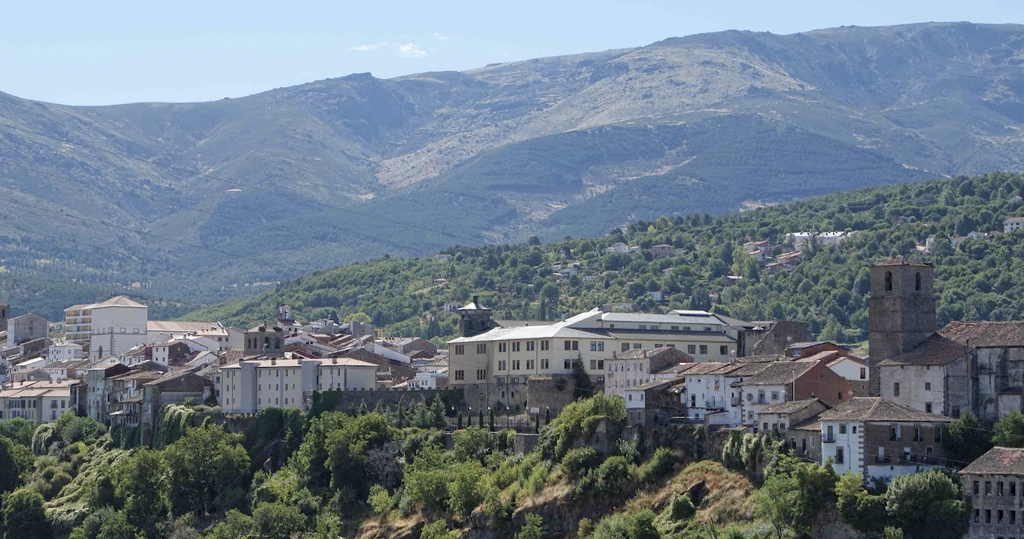
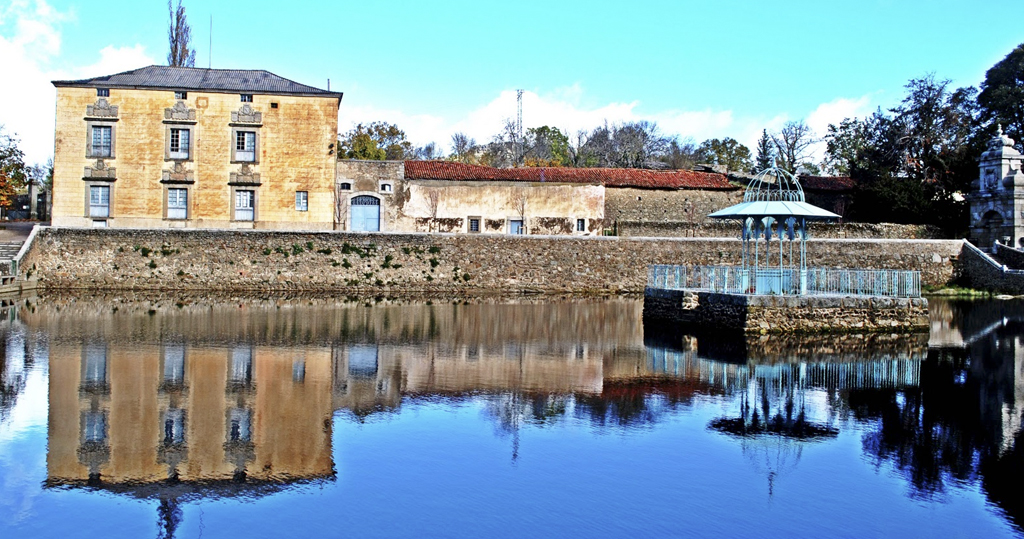
The main town of the region offers all essential services for your stay, with a wide variety of museums, monuments, and cultural and leisure activities. Béjar is just 4 km from Candelario along a scenic mountain road. www.bejar.es
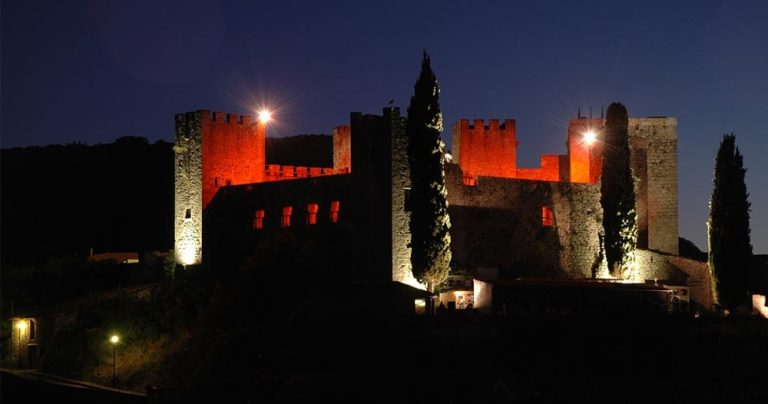
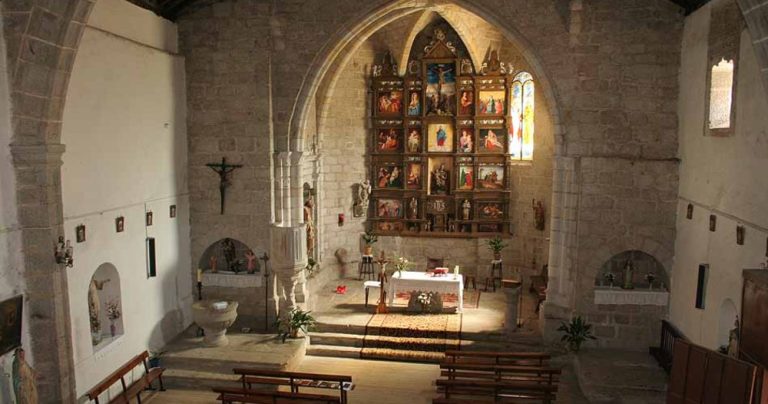
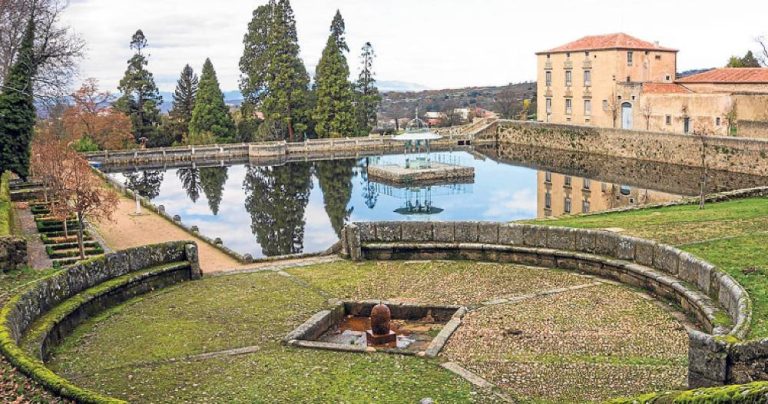
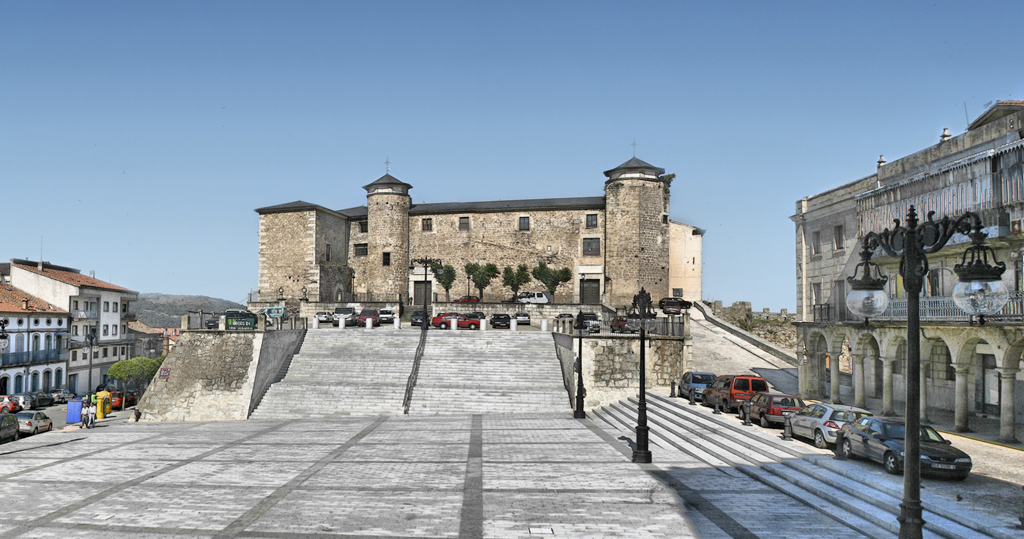
A must‑see attraction near Candelario is this beautiful castle‑museum in Montemayor del Río, surrounded by nature. Its traditional mountain architecture, monumental church, and artisanal wickerwork workshops make it a fascinating visit.
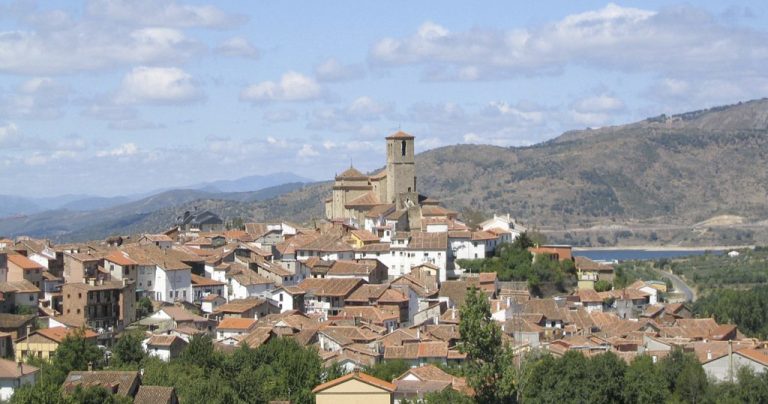
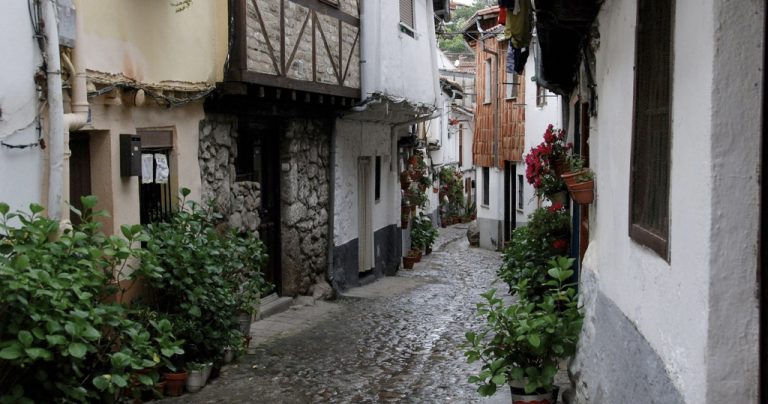
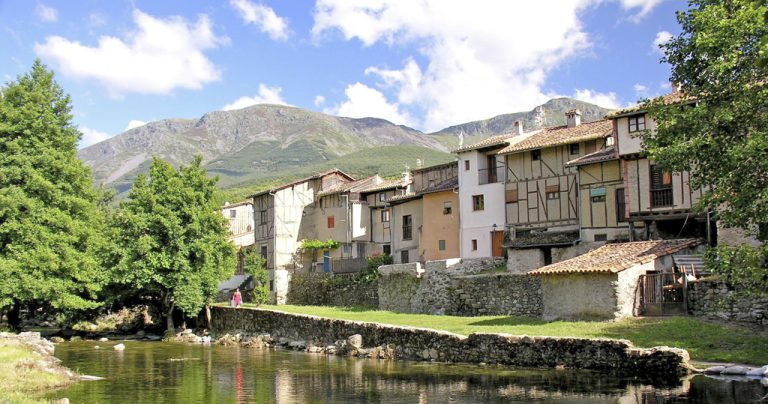
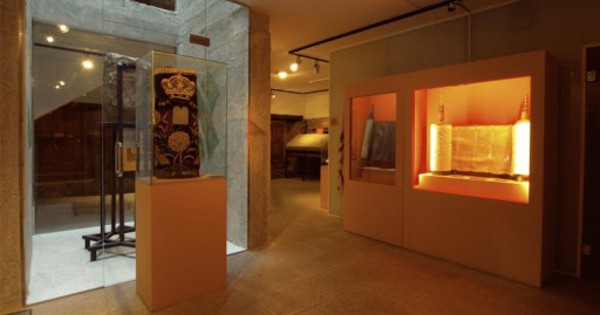
This medieval town is famed for its historic Jewish Quarter, declared a Historic‑Artistic Site in 1969. With charming narrow cobblestone streets and traditional adobe and chestnut wood houses, it is part of Spain’s “Caminos de Sefarad” Jewish heritage network.

This town is world-renowned for its tradition in producing Iberian ham. Its streets combine traditional architecture with modern gastronomic spaces, and the surrounding natural environment invites visitors to explore its paths and discover the nearby Sierra de Béjar. Guijuelo is part of Salamanca’s culinary route, where the culture of Iberian pork takes center stage.
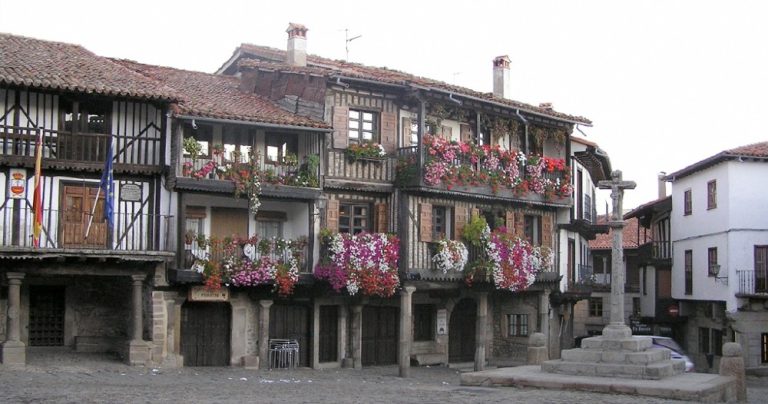
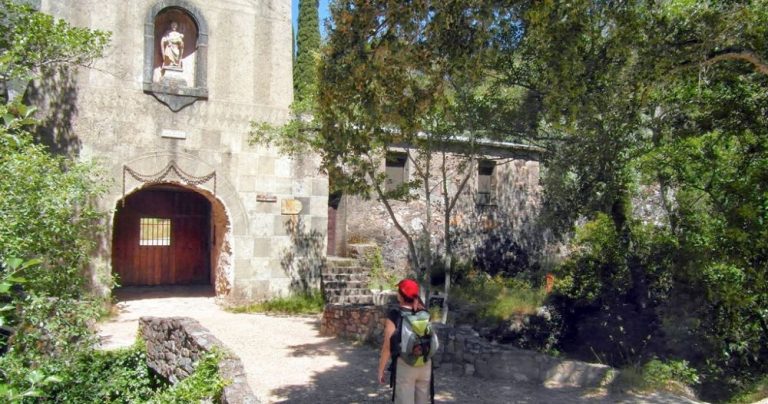
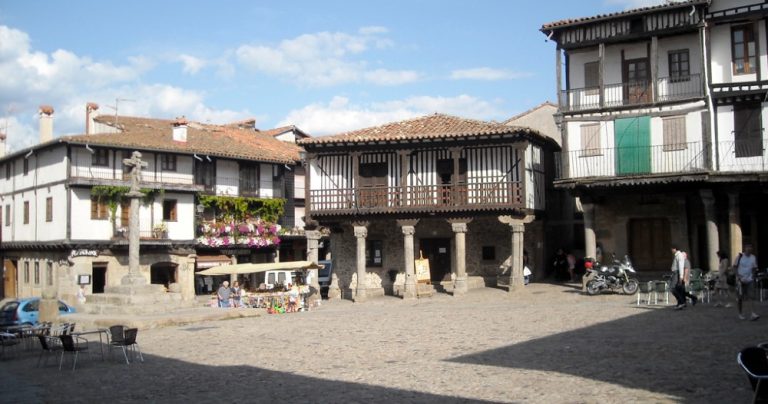
Declared a Historic-Artistic Ensemble, this village has preserved its medieval essence. Its cobbled streets, arcaded squares, and traditional mountain houses with timber framing and flower-adorned balconies showcase the architectural heritage of the Sierra de Francia. La Alberca also keeps ancestral customs alive through festivals and markets, making it a unique place to experience local history and culture.
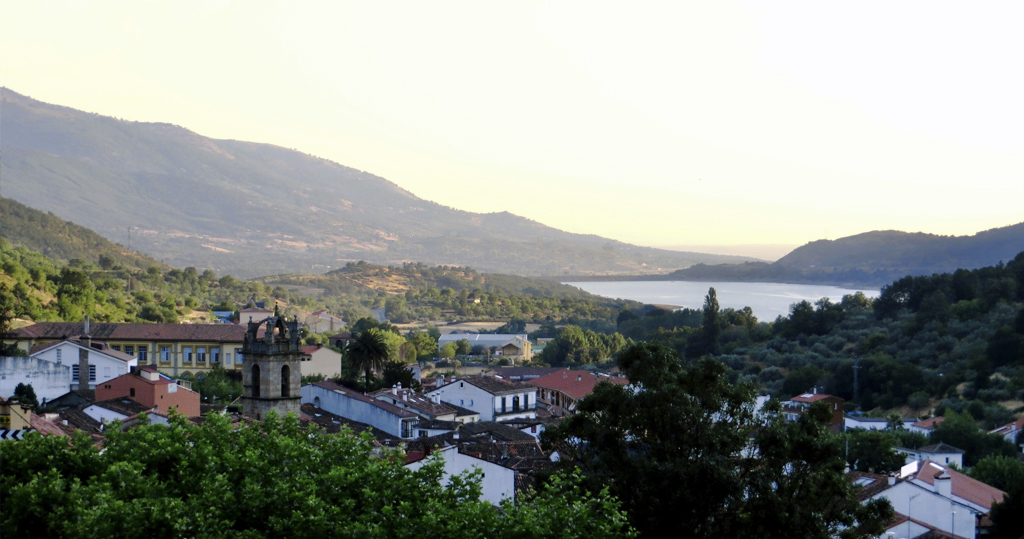
This spa town is renowned for its medicinal waters, used since Roman times, and its natural surroundings in the heart of the Ambroz Valley. The streets of Baños de Montemayor feature typical mountain architecture, with stone houses and charming squares that blend harmoniously with nature. Its combination of thermal tourism and natural beauty makes it a relaxing destination steeped in history.
The breathtaking and stunning landscapes that await you on a stroll around Candelario are a highlight for most tourists. The mountain range boasts truly high peaks, crowned by the Calvitero at over 2,400 meters, with forests climbing the slopes and showcasing their incredible diversity. Streams, lagoons, and glacial cirques dot the landscape, teeming with diverse wildlife that will delight you as you watch and feel the soaring flight of birds as unique as the griffon vulture.
Here are some options for easy hiking routes suitable for families.
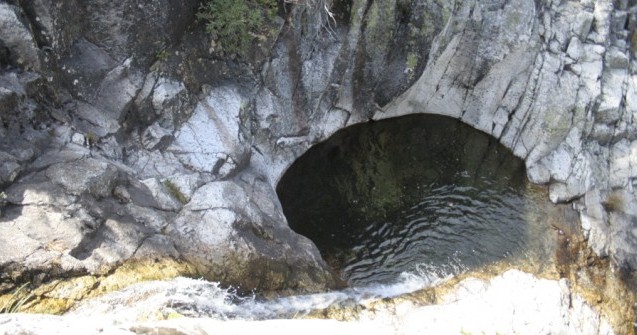
Leaving Candelario via the Navacarros road, approximately 3 km ahead, we find on the right a wide, gently sloping track that leads to a livestock shelter. From this point, the path becomes steeper, crossing an oak forest whose shade is especially welcome in summer. Along this stretch, if we pay attention, we can spot on the left a trail marked with stone cairns that takes us first to the Colorino peaks and then to Peña Alaíz. Continuing along the main path, we reach the confluence of the Águila and Oso streams, whose waters flow down through the narrow Garganta del Oso gorge.
This route, suitable for both walking and mountain biking, is of moderate‑low difficulty. For those wishing to avoid the road, the first section can be done by descending to the privately owned La Canaleja hostel, and from there taking the Béjar road up into the mountains.
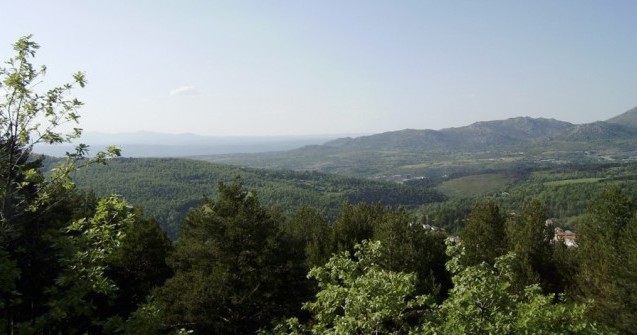
To the southwest and just a short distance from Candelario, a hill covered in dense pine forest overlooks the village. On this hill is the Cruz del Herrerito recreation area, where visitors can find picnic tables, stone barbecues, and a fountain.
The views from this spot are truly impressive. Ahead, you can see the Navamuño dam with the mountains in the background. By continuing a little further up the hill, you reach the summit within minutes, offering a panoramic view of the village in the foreground, the city of Béjar slightly beyond, and in the distance, the Sierra de Cabeza Gorda and the Vallejera pass.
There are two ways to reach this area: the easiest is by car, taking the mountain road. About 2.5 km along this route, just before reaching the sausage factory, a dirt track marked by a stone monolith from the local council leads approximately 400 m to the recreation area. The more rewarding option is to follow a trail starting from the village itself, offering a pleasant walk through the countryside all the way to the hilltop.
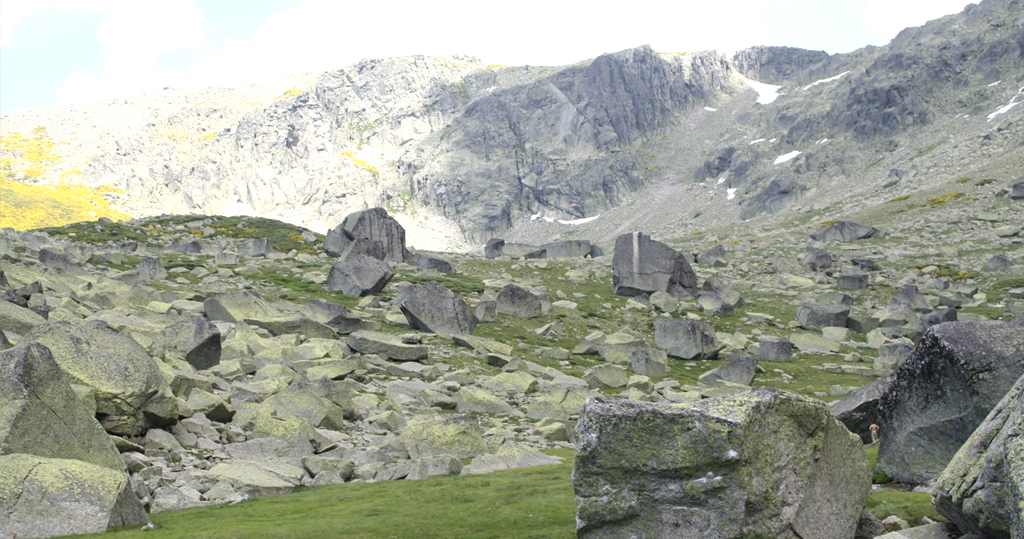
To the east of Candelario, near the municipal swimming pools, there is a junction where the La Garganta road begins. Following this road for about 4 kilometers, you reach the Avellanes Bridge, which crosses the Cuerpo de Hombre River. From here, a track heads off to the left, and after approximately 1 kilometer it leads to the La Dehesa de Candelario recreation area, featuring a stone shelter and a fountain surrounded by a large oak forest.
A clearing allows visitors to park their car before continuing on foot along a well‑maintained track. The path first crosses the oak forest, ignoring all forks to the left, and then climbs steeply to reach a cairn‑marked trail leading to the Hoya Moros glacial valley. Here, an expansive meadow framed by towering cliffs serves as the source of the Cuerpo de Hombre River.
This is one of the most beautiful spots in the entire mountain range and of great environmental value, as is the entire route described.
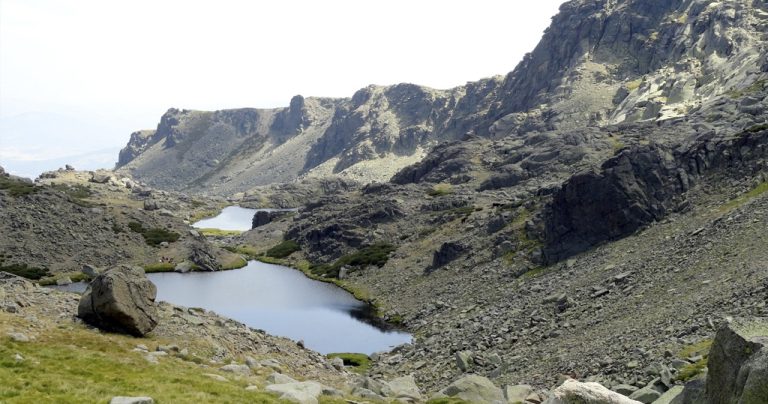
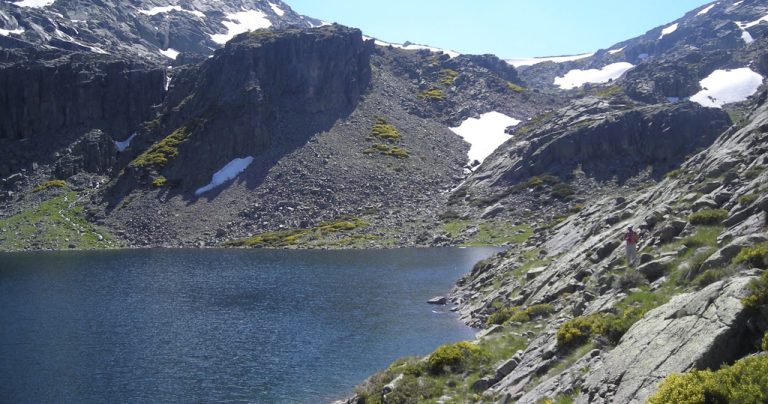
From Candelario, take the mountain road (Carretera de la Sierra). Shortly after, you’ll pass the Cinco Castaños tourist complex on the right, and about two kilometers further, a sausage factory.
From this point, the road continues its steady ascent into an open landscape, reaching the first plateau in approximately 7 kilometers, where there is a parking area and a hostel‑shelter. If weather and snow conditions allow, you can drive another three kilometers to reach the second plateau. Along the way, you’ll pass the Mirador de la Sierra, a privileged viewpoint offering an exceptional panoramic view.
The second plateau marks the inevitable end of the journey by car. From here, the route must be continued on foot along a trail marked with stone cairns. In just over an hour, you reach a large cairn indicating the end of the ascent. Crossing the plain, you will find on the opposite slopes the glacial Trampal lagoons, located in the province of Ávila, which appear in stepped formations and are usually snow-covered.
This route, which can only be completed on foot, is of moderately high difficulty.
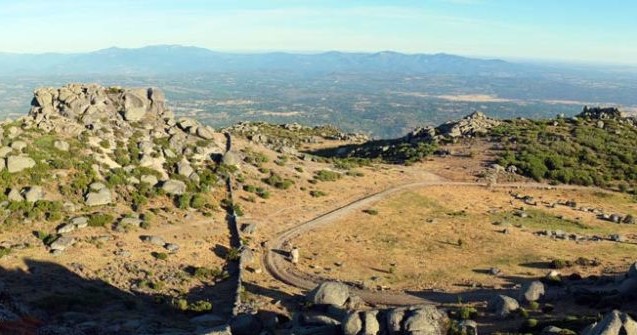
This moderately difficult route can be completed on foot or by mountain bike. Our journey begins on a traditional track still used for seasonal livestock migration, leading to a Roman bridge that crosses the Cuerpo de Hombre River. From here, we ascend to the Navamuño dam wall and, skirting the reservoir, take the track opposite the Cancho de la Muela.
The route can be circular: climb to Peña Negra, descend to Peña de la Cruz, and continue down to the Llano Alto hostel. A little further on, you’ll reach the Sanctuary of Nuestra Señora de El Castañar (patron saint of Béjar), next to which is the 18th-century bullring, considered the oldest in Spain. The return can be made via the road, which in 2 km connects to the Béjar–Candelario road.
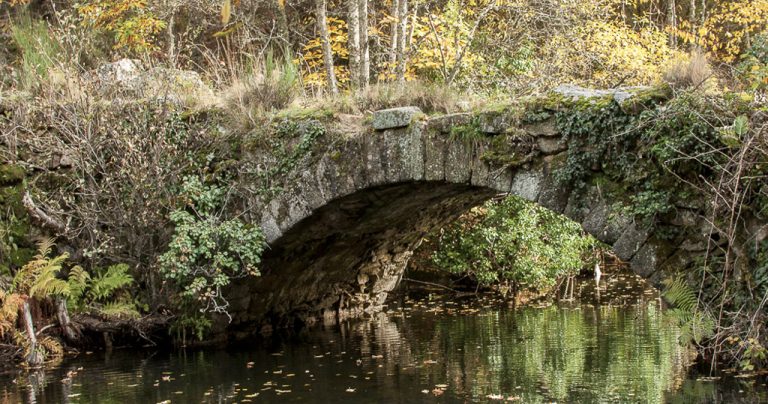
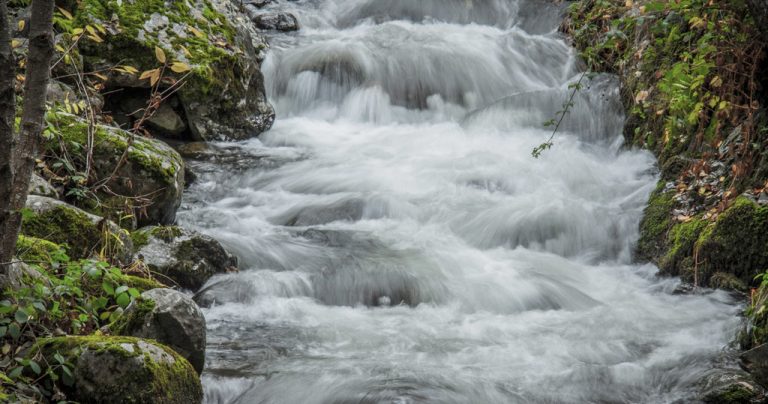
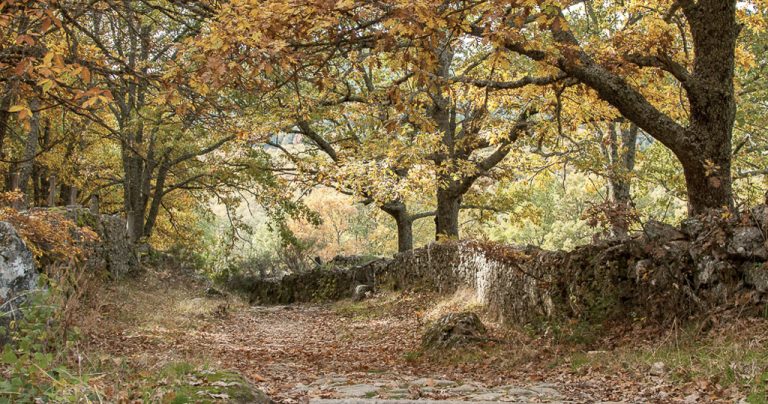
This circular walk, less than four kilometers long, offers a pleasant introduction to the Cuerpo de Hombre River and the landscapes along its banks. Oaks, chestnuts, hazels, and alders accompany much of the route.
We leave Candelario via the La Garganta road, pass the junction with the mountain road, and about 900 meters later, we find a comfortable track on the right—an old livestock path that reaches Puentenueva, a bridge over the river in a stunning setting, after approximately 1,200 meters. From here, we follow the river downstream for just over a kilometer, immersing ourselves in vibrant and abundant nature. Upon reaching the area known as Pontón del Coto, a path leads us back up to the village of Candelario.
An ethnographic museum showcasing daily life in Candelario at the turn of the 19th to 20th centuries, using original furniture and tools from local families.
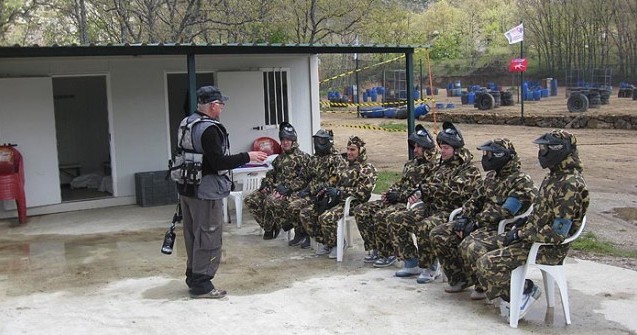
Paintball is a team game that combines strategy, skill, and action in contact with nature, using markers powered by compressed air, specially designed for this sport.
Duration: Paintball has no fixed duration. As a reference, playing across our fields usually takes around 3 hours.
Recommendations: Wear comfortable footwear (sneakers or boots).
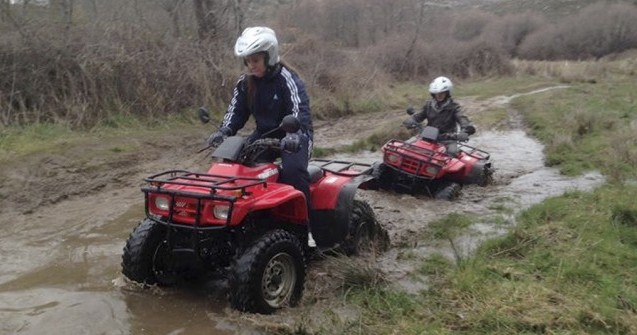
Quadaventura is an active tourism, leisure, and events company offering year‑round activities by reservation, exploring the scenic landscapes around the charming city of Béjar in the province of Salamanca.
Our routes and activities take place on land, water, and snow, using the natural surroundings as the perfect setting. In addition, the company provides changing facilities with toilets and showers, parking, and assistance with accommodation, meals, and dinner arrangements.